

EMDR Therapy

EMDR for the creative mind that replays every "no."
If you have ADHD and a big, ambitious, creative brain, you probably feel things intensely — especially rejection. Whether it’s a harsh comment on social media, a client ghosting you, a launch that flopped, and your system files it away as proof. Months or years later it's still running in the background as the reason you hesitate, procrastinate and hold back from the next big thing.
That's rejection sensitivity, and for ADHD brains it can be especially loud. The old moment isn't just remembered — it gets reexperienced again and again, as if it's happening right now.
how EMDR WORKS
EMDR (Eye Movement Desensitization and Reprocessing) is an evidence-based therapy that helps your brain finish processing the memories it got stuck on. Using gentle bilateral stimulation — eye movements, tapping, or tones — we help your nervous system move those old experiences where they belong: to the past, without the emotional charge.
In sessions, we go back to the specific moments of rejection or failure that your mind keeps returning to and reprocess them, so they stop showing up as evidence that you can't move forward.
What tends to shift
Old rejections stop hijacking new opportunities
Criticism starts landing as information or someone else’s projections, not an actual threat to you and your work
You stop bracing for a "no" before you've even begun
You can finally execute on the ideas you've been sitting on
Ready to stop letting old rejections run the show?

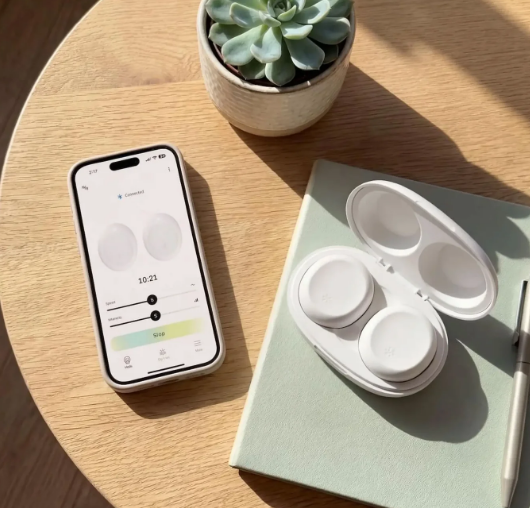
Wireless EMDR Tappers —
Something you can use yourself, both during and between appointments.
Great for people who prefer tactile(touch) forms of bilateral stimulation, like tapping.
Get yours here and use my code, ASHLEY for 10% off.
*Purchasing this equipment is not required, and is solely an optional enhancement for your sessions or personal use between appointments. As an affiliate, I will receive a small commission for your purchase.

Read More About It —
I regularly refer to EMDR in my blog posts and sometimes write blogs about how I use EMDR for specific situations.
Check them out here: